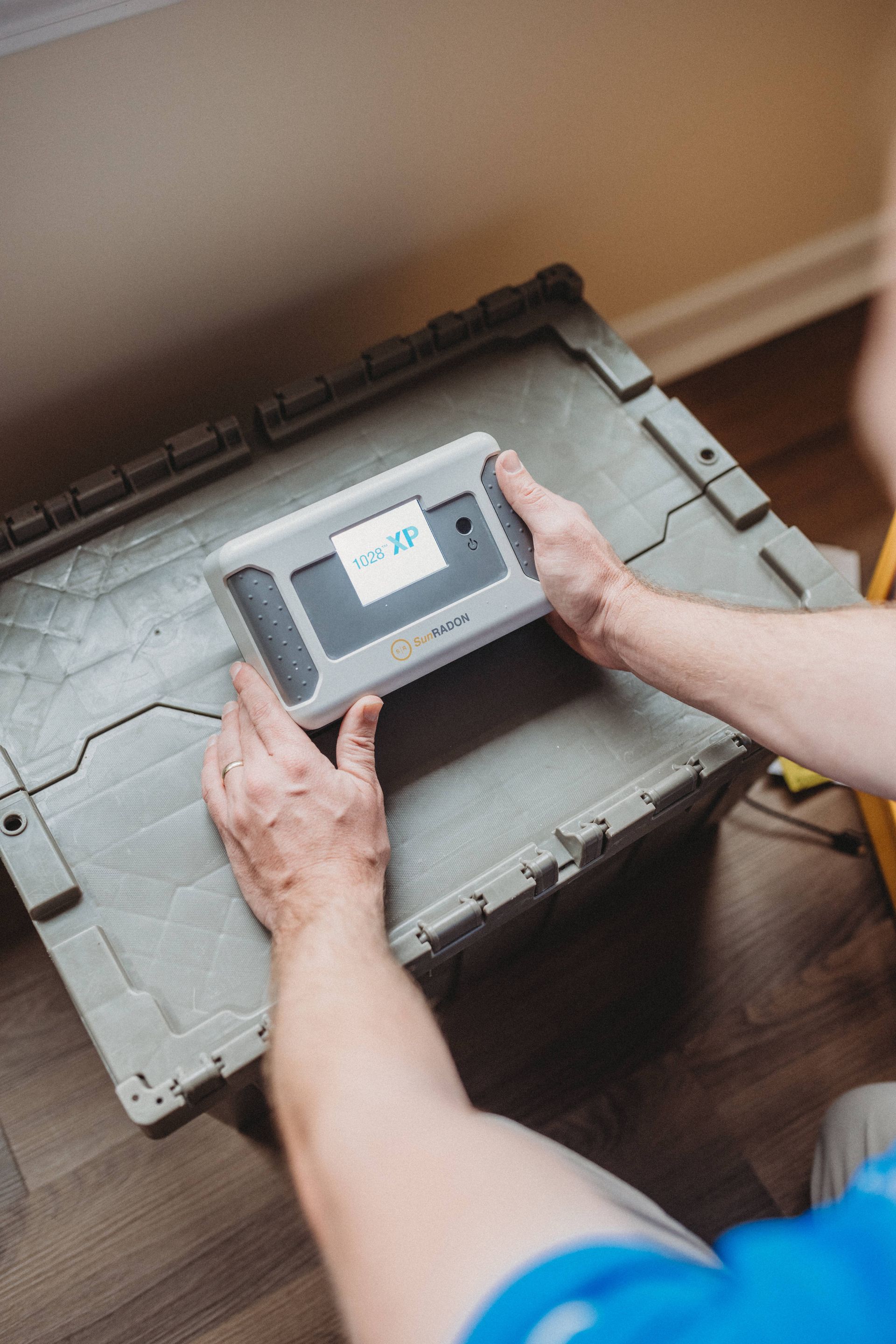
The Anatomy of a Radon Mitigation System

Did you know that radon is the second leading cause of lung cancer after smoking? This invisible, odorless gas seeps into homes through the soil—and it can be just as dangerous to your pets as it is to your family.
At Swift Radon, our mission is to protect what matters most: your health and your home. Understanding how radon mitigation systems work is the first step to making informed decisions. Here’s everything you need to know about the parts, performance, and value of a radon mitigation system.
What is Radon and Why Is It Dangerous?
Radon is a naturally occurring radioactive gas released from rocks and soil. While harmless outdoors, it becomes dangerous when trapped inside homes and buildings. Long-term exposure has been directly linked to lung cancer and is also suspected to contribute to other health issues like:
- Childhood asthma
- Leukemia in children
- Gestational diabetes in pregnant women
And yes—it can harm your pets, too. Dogs and cats that spend a lot of time indoors are also at risk.
What is a Radon Mitigation System?
A radon mitigation system is designed to vent radon gas from beneath your home to the outside, before it can accumulate indoors. The most common type is called sub-slab depressurization, which uses a fan and venting pipes to create suction under your foundation.
How Does It Work? (The “Anatomy” of the System)
Let’s break down the main parts of a typical radon mitigation system:
1. Suction Point
A small hole is drilled into your basement slab or crawlspace to access the soil beneath your home, where radon gas builds up.
2. Vent Pipe System
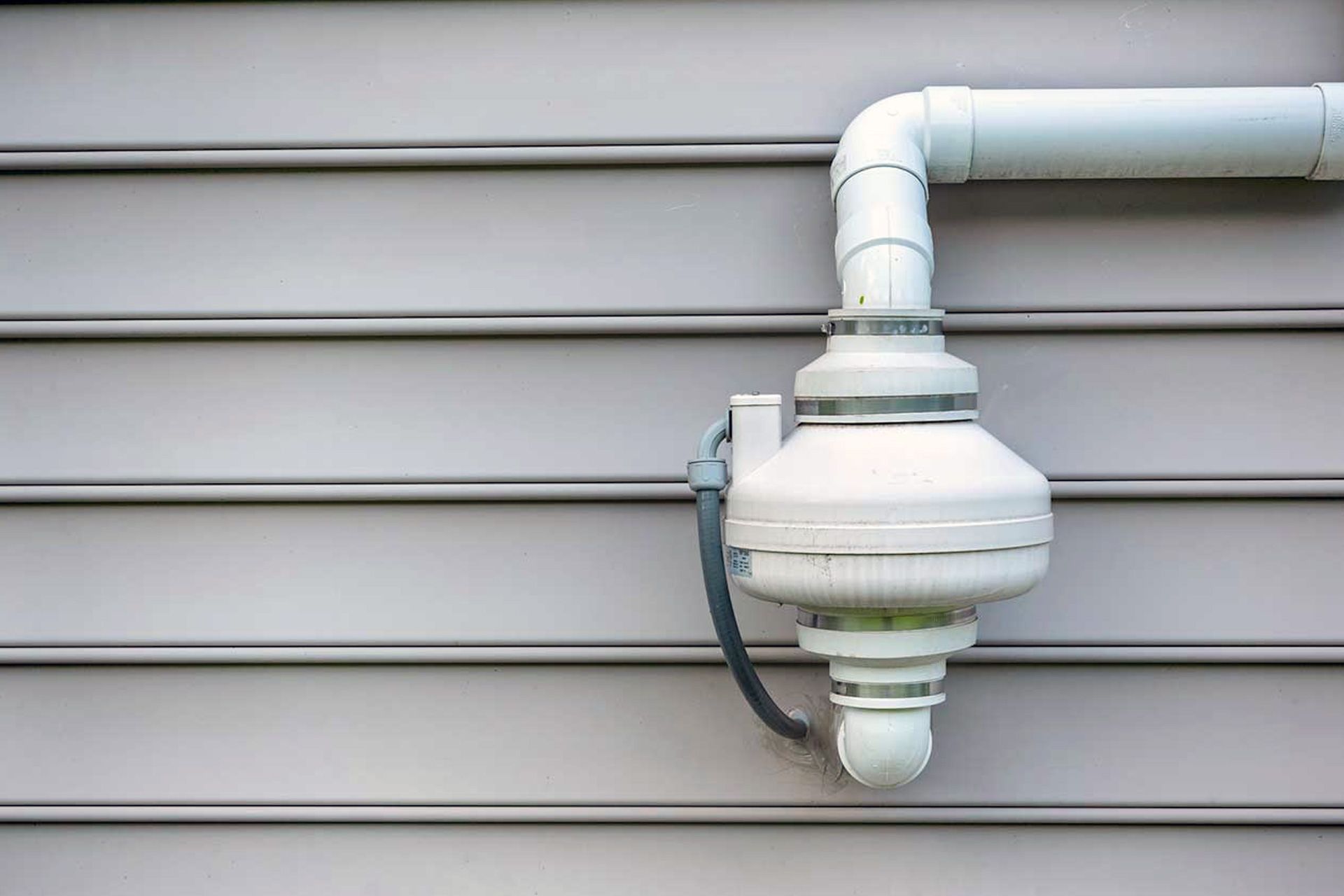
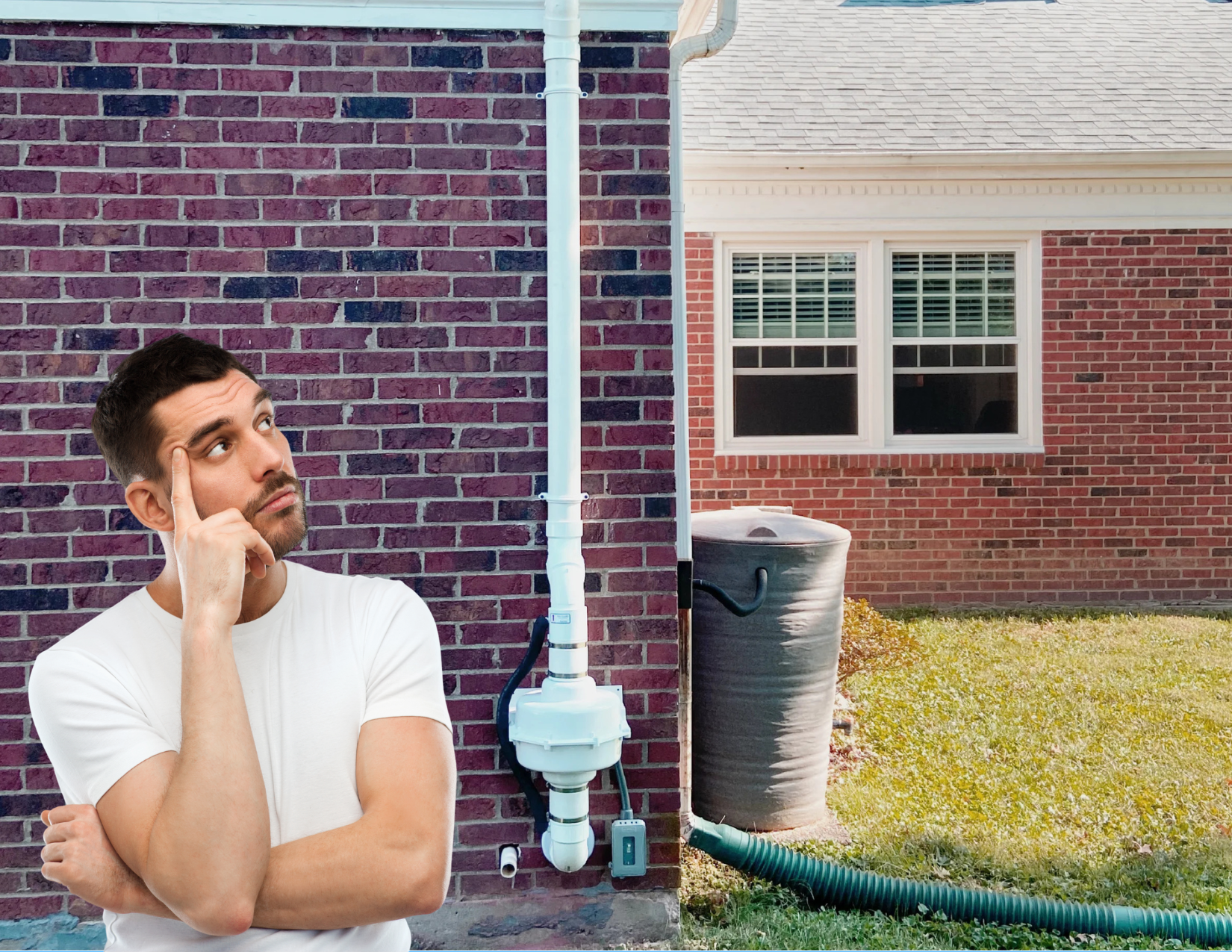
PVC piping connects to the suction point and runs upward, either outside your home or through the attic. This piping safely transports radon away from your living space.
3. Radon Fan
Installed in the attic, garage, or outside, this fan draws radon gas from the soil and forces it up and out of your home. It’s the engine behind the whole system.
4. Exhaust Outlet
The vent pipe releases the radon safely above the roofline, where it disperses harmlessly into the air.
5. Sealing & Monitoring
Cracks in your foundation are sealed to prevent radon from leaking in, and a manometer or digital monitor is added to track system performance.
Even homes without basements or crawlspaces can have radon systems installed. There’s always a solution if radon levels are high.
Types of Radon Mitigation Systems
Different homes need different solutions. At Swift Radon, we design your system based on your unique structure. Common systems include:
- Sub-slab depressurization (most common)
- Drain tile depressurization (uses existing perimeter drains)
- Sump pit systems (leverages sump pumps)
- Crawlspace systems (requires vapor barriers and fan setup)
Are Radon Mitigation Systems Worth It?
Absolutely. When properly installed, a mitigation system can reduce radon to well below the EPA’s action level of 4.0 pCi/L. Many homes reach levels under 2.0 or even 1.0!
Plus, having a system in place:
- Increases home resale value
- Gives buyers peace of mind
- Meets new real estate and inspection standards in many states
Cost of a Radon Mitigation System
Prices typically range between $1,000 and $2,500, depending on home size, design, and local labor. This includes equipment, installation, and sealing.
Tip: Get multiple estimates from certified radon professionals. Swift Radon provides free consultations—no pressure, just clarity.
What About Maintenance?
Radon systems are low-maintenance. Most fans use as much power as a light bulb and cost less than $100/year to operate. Fan replacements might be needed every 10 years, and it’s smart to test radon every 2–3 years or after major renovations.
Can I Install It Myself?
We get this question often. While DIY kits exist, they’re rarely effective. Improper design or installation can make things worse—and often ends up costing more when it has to be redone by professionals.
Do Air Purifiers Remove Radon?
No. Air purifiers help with dust and allergens, but they do not remove radon gas. The only proven solution is a dedicated radon mitigation system.
The Bottom Line: Peace of Mind is Priceless
Investing in a radon mitigation system protects your family’s long-term health and boosts your home's value. At Swift Radon, we provide expert installation, professional testing, and long-lasting peace of mind.
Call us today to schedule a radon test or get a free estimate. You can’t see radon—but with the right system in place, you don’t have to.
Disclaimer: The information on this website and blog is for general informational purposes only and is not professional advice. We make no guarantees of accuracy or completeness. We disclaim all liability for errors, omissions, or reliance on this content. Always consult a qualified professional for specific guidance.
Search Blog
Recent Posts