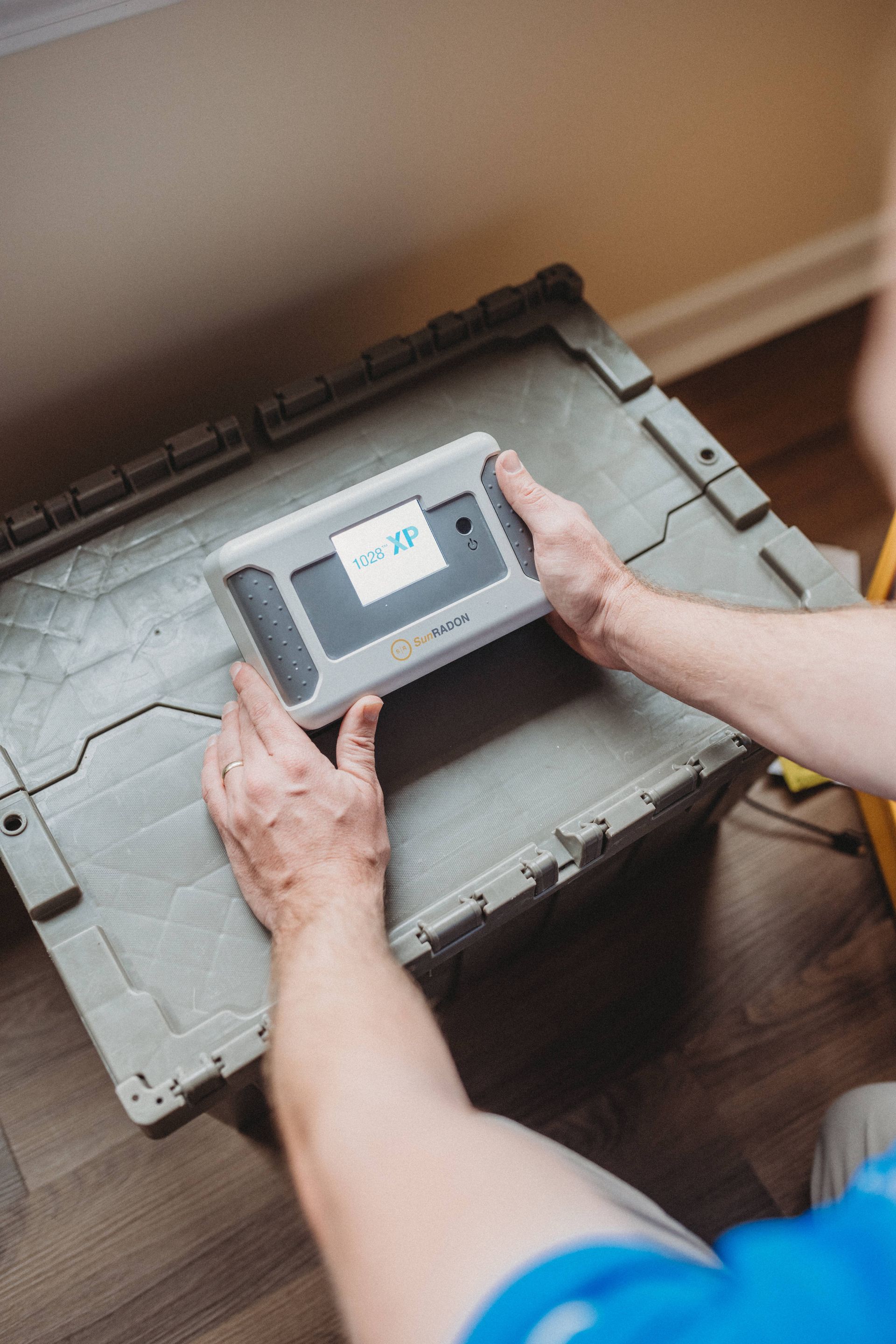
How Radon Testing Protects Your Home and Family
When it comes to keeping your home safe, most homeowners think about security systems, smoke detectors, and regular maintenance. But there’s one invisible threat that often goes unnoticed, radon gas.
Radon is a colorless, odorless radioactive gas that can seep into your home without any warning. Long-term exposure to high radon levels is the second leading cause of lung cancer, making it a serious health risk for you and your family.
The good news? Radon testing is simple, affordable, and highly effective in identifying this hidden danger. In this article, we’ll explore how radon testing protects your home and why it’s an essential step for every homeowner.
What Is Radon and Where Does It Come From?
Radon is a naturally occurring gas that forms when uranium breaks down in soil, rock, and water. It moves up through the ground and can enter your home through:
- Cracks in the foundation
- Gaps around pipes and drains
- Crawl spaces
- Construction joints
- Basement floors and walls
Because radon is invisible and odorless, you won’t know it’s there without proper testing.
Why Radon Testing Is So Important
Many homeowners assume their home is safe simply because it looks well-built or is newly constructed. However, radon doesn’t discriminate, it can affect homes of any age, size, or location.
1. Detects an Invisible Threat
Unlike mold or structural damage, radon gives no warning signs. Testing is the only way to know if your home has elevated radon levels.
2. Protects Your Family’s Health
Prolonged exposure to high radon levels increases the risk of lung cancer. Testing allows you to take action early and reduce that risk significantly.
3. Provides Peace of Mind
Knowing your home’s radon levels helps eliminate uncertainty. Whether the results are low or high, you’ll have the information needed to make informed decisions.
4. Supports Real Estate Transactions
Radon testing is often part of home buying and selling. It helps buyers feel confident and ensures transparency in the process.
How Radon Testing Works
Radon testing is a straightforward process that measures the concentration of radon gas in your home.
Types of Radon Testing
Short-Term Testing
- Takes 2–4 days
- Provides quick results
- Ideal for real estate transactions
Long-Term Testing
- Lasts 90 days or more
- Offers more accurate average readings
- Best for long-term monitoring
Professional vs. DIY Testing
While DIY kits are available, professional testing offers:
- Higher accuracy
- Proper placement of devices
- Certified equipment
- Reliable interpretation of results
Companies like Swift Radon ensure your results are precise and trustworthy.
What Happens If Radon Levels Are High?
If testing reveals elevated radon levels (4.0 pCi/L or higher), the next step is mitigation.
Radon Mitigation Solutions
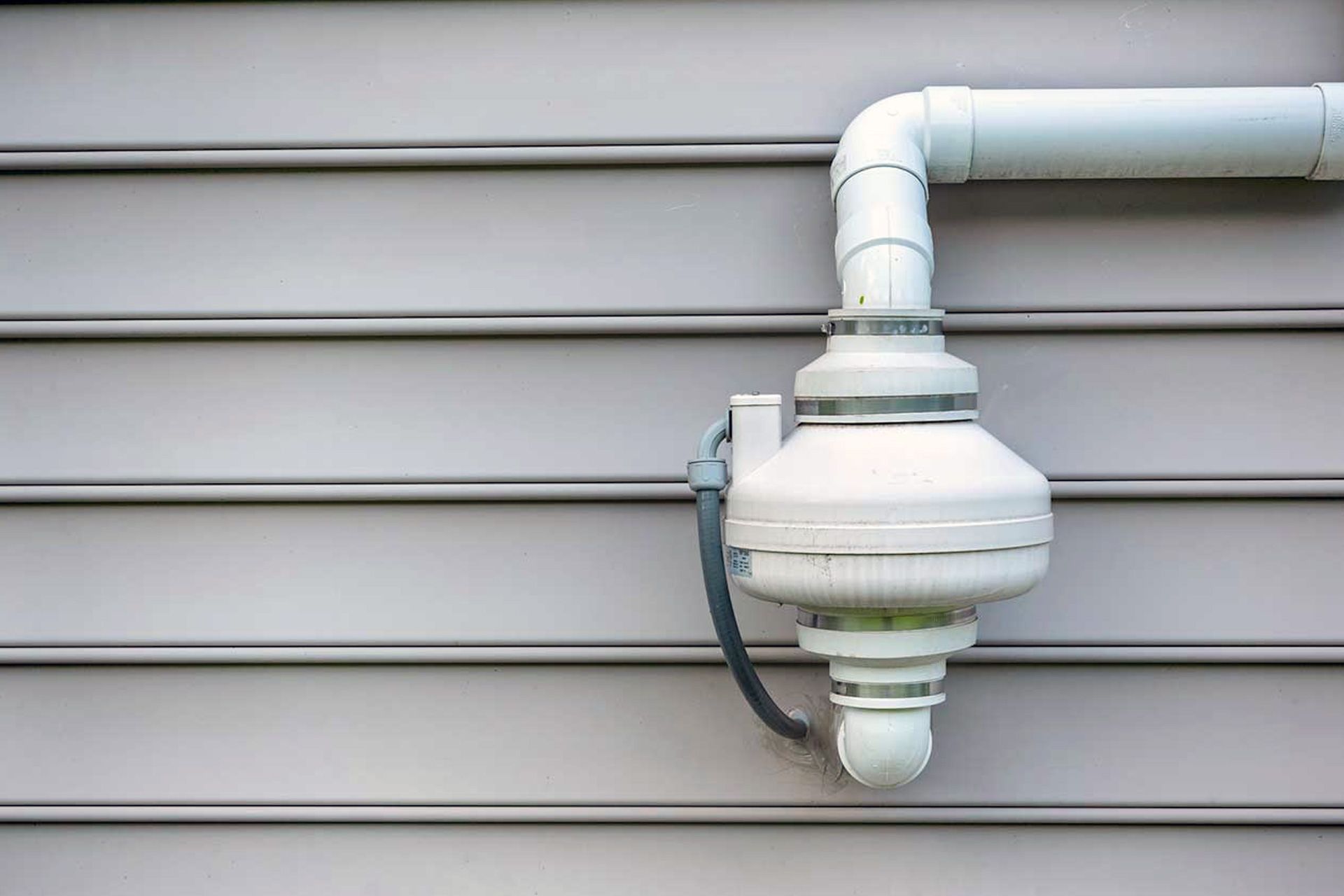
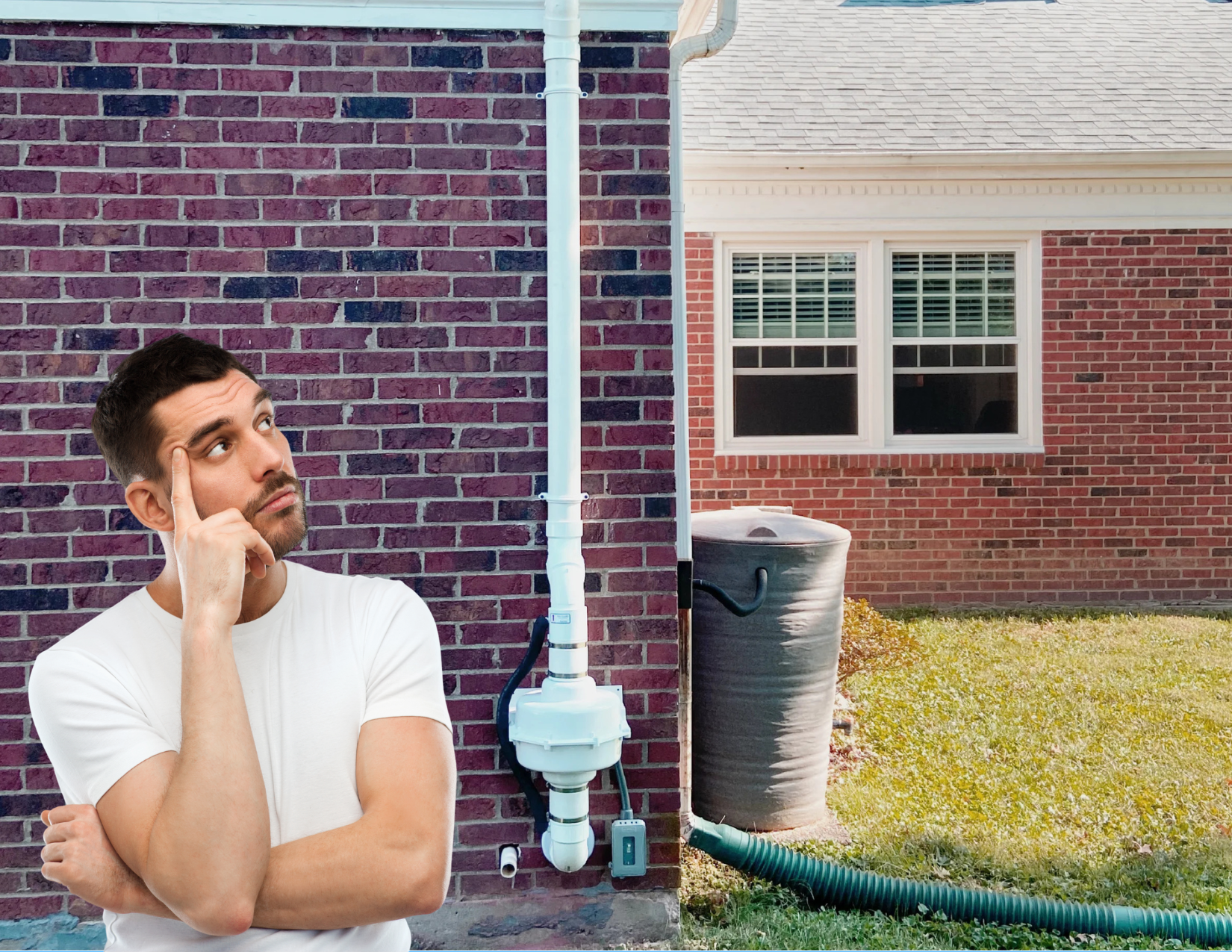
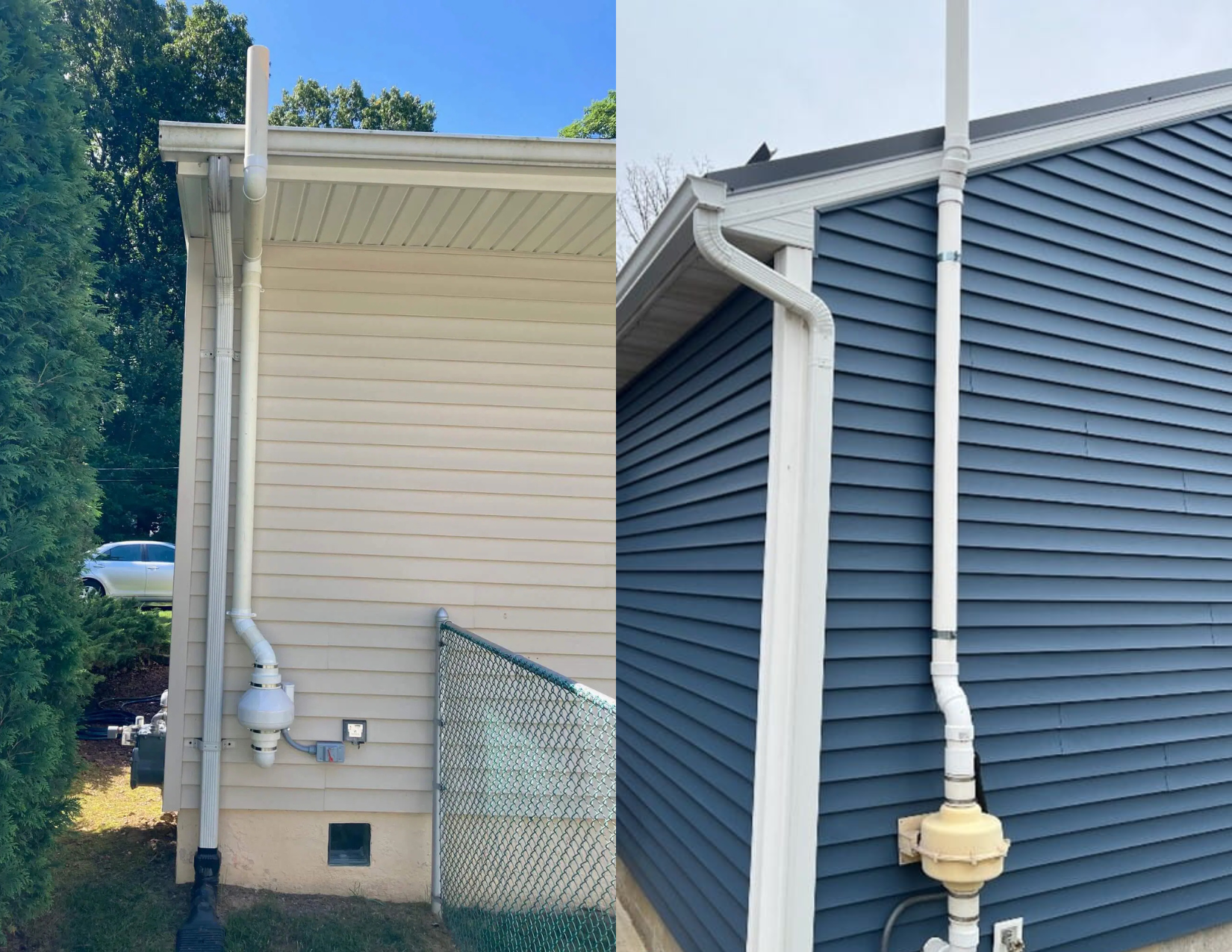
Mitigation systems work by:
- Drawing radon gas from beneath your home
- Venting it safely outside
- Preventing it from entering living spaces
These systems are highly effective and can reduce radon levels by up to 99% in many cases.
How Radon Testing Protects Your Home
Radon testing doesn’t just protect your health, it also protects your property.
Prevents Long-Term Damage
While radon itself doesn’t damage your home’s structure, ignoring it can reduce property value and make selling more difficult.
Increases Home Value
Homes with documented low radon levels or installed mitigation systems are often more attractive to buyers.
Ensures Compliance
Testing helps ensure your home meets recommended safety guidelines, especially during real estate transactions.
When Should You Test Your Home?
Radon testing isn’t a one-time task. There are several situations when testing is especially important.
Key Times to Test:
- When buying or selling a home
- Every 2 years as a routine check
- After major renovations
- If you’ve never tested before
- After installing a mitigation system
Regular testing ensures your home remains safe over time.
Common Myths About Radon Testing
Myth 1: “My Home Is New, So It’s Safe”
Radon can affect both new and old homes.
Myth 2: “My Neighbor Tested Low, So I’m Fine”
Radon levels can vary significantly between homes—even next door.
Myth 3: “Testing Is Complicated”
Radon testing is quick, simple, and non-invasive.
Myth 4: “Radon Isn’t a Serious Issue”
Radon exposure is a leading cause of lung cancer, making it a major health concern.
Why Choose Professional Radon Testing?
Working with professionals like Swift Radon ensures:
- Accurate and reliable results
- Proper testing procedures
- Expert recommendations
- Fast turnaround times
Professional testing eliminates guesswork and gives you confidence in your results.
Take Control of Your Indoor Air Quality
Radon may be invisible, but its impact is very real. Testing your home is one of the simplest and most important steps you can take to protect your family.
With accurate testing, you gain:
- Knowledge of your home’s air quality
- The ability to take action if needed
- Long-term peace of mind
Don’t wait until it’s too late, proactive testing is the key to prevention.
Schedule your professional radon test with Swift Radon today and take the first step toward a safer, healthier home.
Frequently Asked Questions (FAQs)
How do I know if my home has radon?
The only way to know is through radon testing, as the gas is invisible and odorless.
What is a safe radon level?
The EPA recommends action if levels are 4.0 pCi/L or higher, but lower levels are always safer.
How long does radon testing take?
Short-term tests take 2–4 days, while long-term tests can last up to 90 days.
Is radon testing expensive?
Radon testing is relatively affordable, especially compared to the health risks of not testing.
Can I test for radon myself?
Yes, but professional testing is more accurate and reliable.
What happens if my radon levels are high?
A mitigation system can be installed to reduce radon levels effectively.
Do all homes have radon?
Radon is present everywhere, but levels vary from home to home.
How often should I test my home?
It’s recommended to test every 2 years or after major changes to your home.
Disclaimer: The information on this website and blog is for general informational purposes only and is not professional advice. We make no guarantees of accuracy or completeness. We disclaim all liability for errors, omissions, or reliance on this content. Always consult a qualified professional for specific guidance.
Search Blog
Recent Posts