Signs Your Home May Have High Radon Levels
How to Spot the Warning Signs of a Silent Threat
Radon is one of the most dangerous indoor air pollutants, and one of the hardest to detect. It’s completely invisible, odorless, and tasteless, yet it can pose serious health risks when present at high levels inside your home.
In fact, radon is the second leading cause of lung cancer, according to the EPA. The challenging part? Many homeowners don’t realize there’s a problem until it’s too late.
So how can you tell if your home may have high radon levels?
While the only way to confirm radon is through professional testing, there are several warning signs and risk factors that can indicate your home may be at higher risk.
Let’s break them down.
1. Your Home Has Never Been Tested
One of the biggest red flags is simple: your home has never been tested for radon.
Because radon cannot be seen or smelled, there are no obvious sensory signs. Many homeowners assume everything is fine simply because they don’t notice anything unusual.
However, radon levels can vary dramatically, even between neighboring homes. Just because your neighbor tested low doesn’t mean your home is safe.
If your home has never been tested, it’s one of the strongest indicators that you could be at risk.
2. You Live in a High-Risk Area
Certain regions are known to have higher radon levels due to natural geology. Homes built on soil rich in uranium are more likely to experience elevated radon concentrations.
In Tennessee and surrounding areas, radon is a common concern, making testing even more important for homeowners.
Even within the same city, radon levels can differ based on:
- Soil composition
- Elevation
- Construction type
- Foundation design
Living in a known radon-prone area increases the likelihood of elevated levels in your home.
3. Your Home Has a Basement or Crawl Space
Radon gas enters homes through the ground, which means homes with direct contact to soil are more vulnerable.
If your home includes:
- A basement
- A crawl space
- Slab-on-grade foundation
…it may be more susceptible to radon intrusion.
Cracks in foundation walls, gaps around pipes, and unfinished basements can all provide entry points for radon gas.
The more ground contact your home has, the higher the potential risk.
4. You Notice Cracks in Your Foundation
Radon enters homes through small openings in the foundation. Even tiny cracks can allow gas to seep inside over time.
Common entry points include:
- Cracks in floors or walls
- Gaps around utility pipes
- Sump pumps
- Construction joints
While cracks don’t guarantee high radon levels, they significantly increase the likelihood of radon entry.
Visible foundation issues are a key structural warning sign.
5. Your Home Is Well-Sealed and Energy Efficient
While energy-efficient homes are great for reducing utility bills, they can sometimes trap radon gas inside.
Modern homes are often tightly sealed to prevent air leaks. Unfortunately, this can reduce ventilation and allow radon levels to build up over time.
A tightly sealed home without proper ventilation can increase radon concentration indoors.
6. You’ve Recently Renovated or Finished a Basement
Home renovations can unintentionally affect airflow and pressure within your home.
Projects like:
- Finishing a basement
- Adding insulation
- Installing new windows
- Changing HVAC systems
…can alter how air moves through your home, potentially increasing radon accumulation.
Any structural or airflow changes can impact radon levels.
7. Your Neighbor Has High Radon Levels
Radon levels can vary widely, but if nearby homes have tested high, it’s a strong indication that your home may also be at risk.
This is especially true if:
- Homes are built on similar soil
- Construction styles are similar
- The homes are in close proximity
High radon levels nearby are a strong warning sign you shouldn’t ignore.
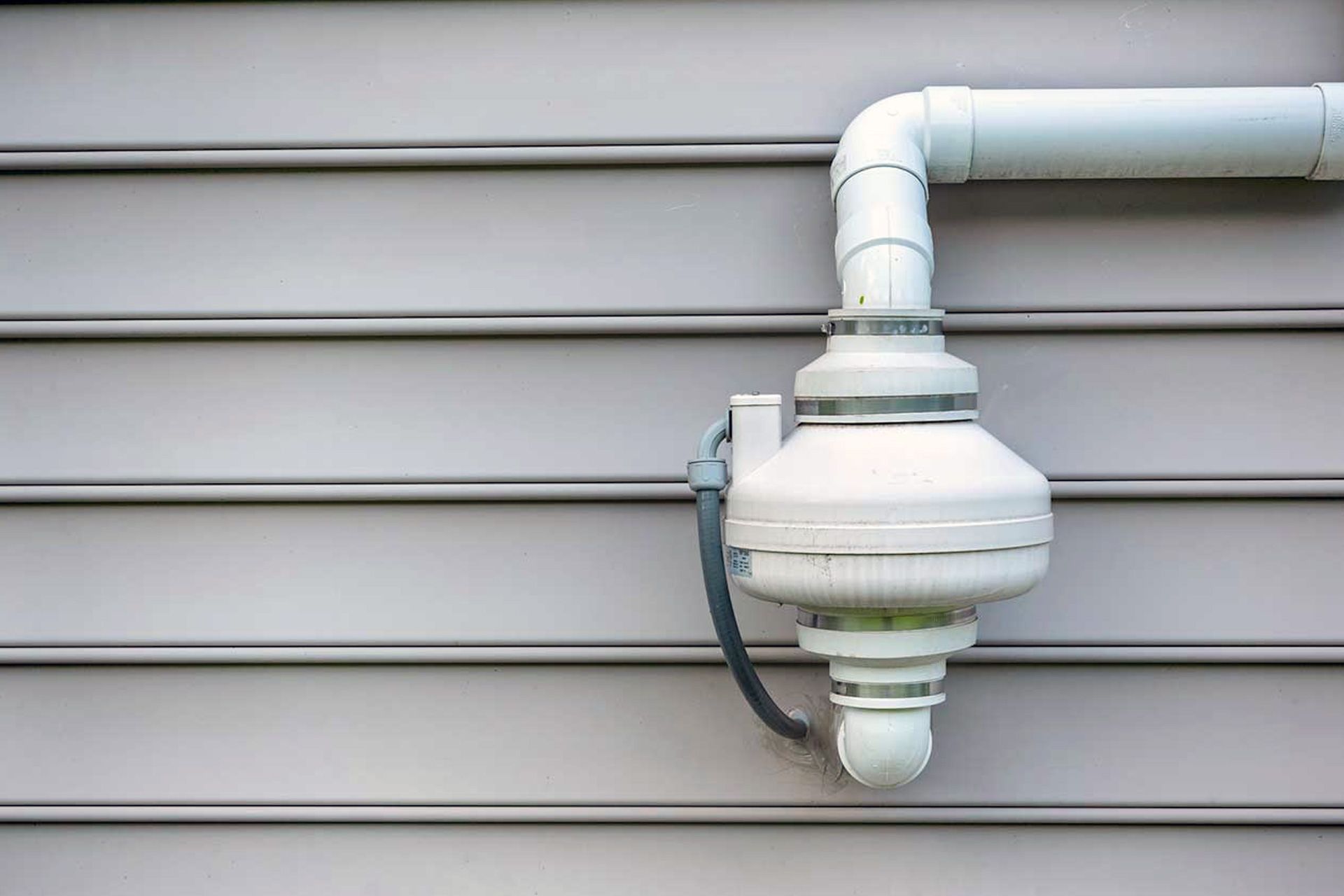
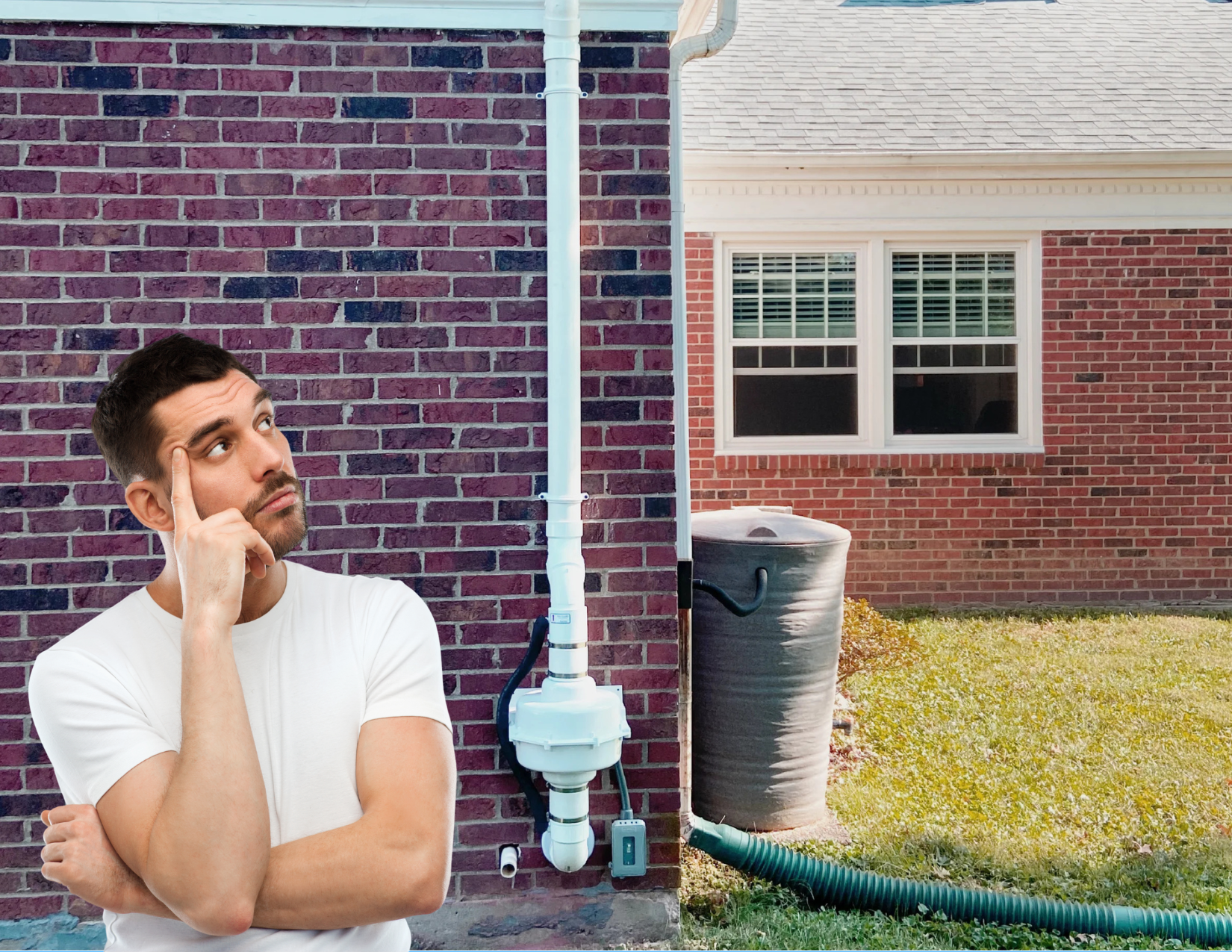
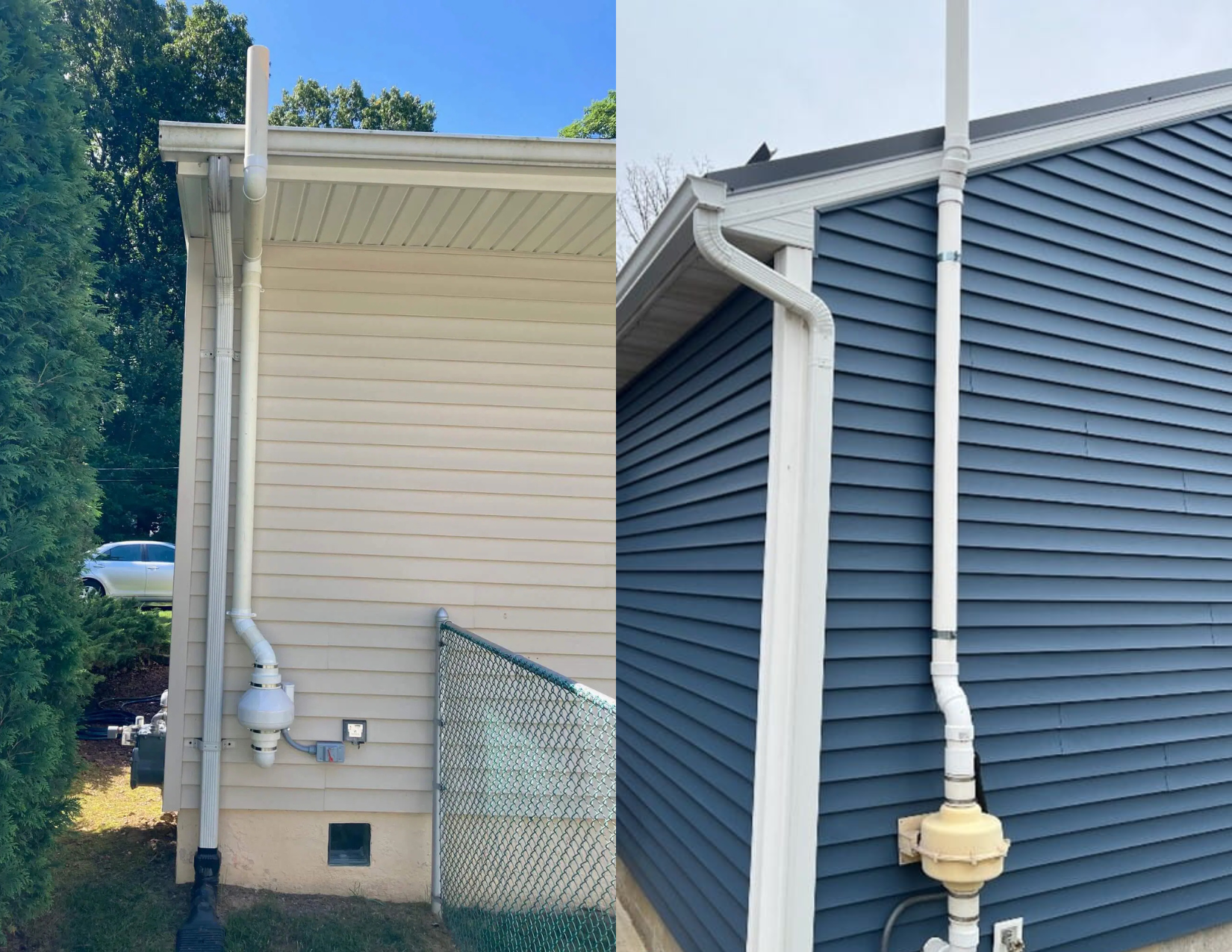
8. You Have an Older Mitigation System (or None at All)
If your home already has a radon mitigation system, that’s a great start, but it doesn’t guarantee ongoing protection.
Systems can:
- Lose efficiency over time
- Develop mechanical issues
- Stop working altogether
If your system hasn’t been inspected recently, there’s a chance it may not be functioning properly.
An outdated or unmaintained system can allow radon levels to rise again.
9. You Experience Long-Term Indoor Air Exposure
Radon becomes especially dangerous with prolonged exposure. If you spend a lot of time in lower levels of your home, like a basement office or living space, your risk increases.
While you won’t feel immediate symptoms, long-term exposure can have serious health effects.
The more time spent indoors, the more important it is to ensure safe radon levels.
10. There Are No Obvious Signs—And That’s the Problem
One of the most important things to understand is this:
Radon often has no visible signs at all.
You won’t smell it. You won’t see it. You won’t feel it.
That’s why testing is absolutely essential, even if everything seems normal.
No symptoms doesn’t mean no risk.
The Only Way to Know: Professional Radon Testing
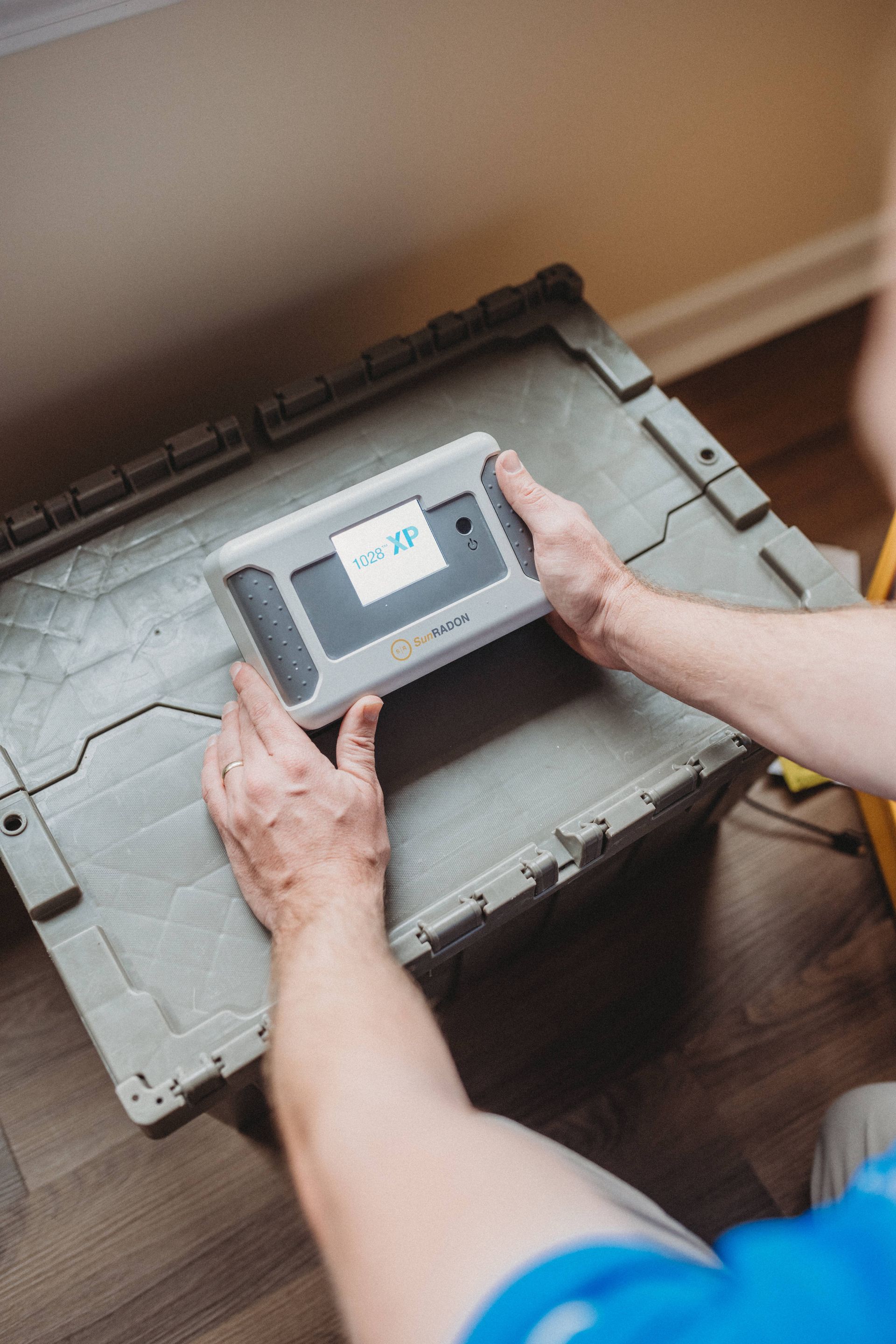
While these signs and risk factors can indicate a potential issue, the only way to confirm radon levels in your home is through professional testing.
At Swift Radon, we use accurate, industry-approved testing methods to give you reliable results. If elevated levels are found, we provide effective mitigation solutions to protect your home and family.
Protect Your Home Before It Becomes a Problem
Radon is a silent threat, but it’s also preventable.
By understanding the warning signs and taking action early, you can reduce your risk and ensure your home remains a safe place for your family.
If any of the signs above apply to your home, don’t wait. Testing is quick, affordable, and the first step toward peace of mind.
Think your home may have high radon levels? Contact Swift Radon today to schedule a fast, accurate test and protect your family.
Frequently Asked Questions (FAQs)
What is a dangerous radon level?
The EPA recommends taking action if radon levels are 4.0 pCi/L or higher.
Can radon levels change over time?
Yes, radon levels can fluctuate due to weather, seasons, and structural changes in your home.
How long does radon testing take?
Short-term tests typically take 2–4 days, while long-term tests can last up to 90 days.
Is radon only a problem in older homes?
No. Both new and old homes can have high radon levels depending on location and construction.
Can I fix radon issues myself?
Professional mitigation is recommended for effective and long-term results.
How often should I test my home?
It’s recommended to test every 2 years or after major renovations.
Disclaimer: The information on this website and blog is for general informational purposes only and is not professional advice. We make no guarantees of accuracy or completeness. We disclaim all liability for errors, omissions, or reliance on this content. Always consult a qualified professional for specific guidance.
Search Blog
Recent Posts